


Faster payments, pay-by-bank and the UK payments plan: what changes for small businesses
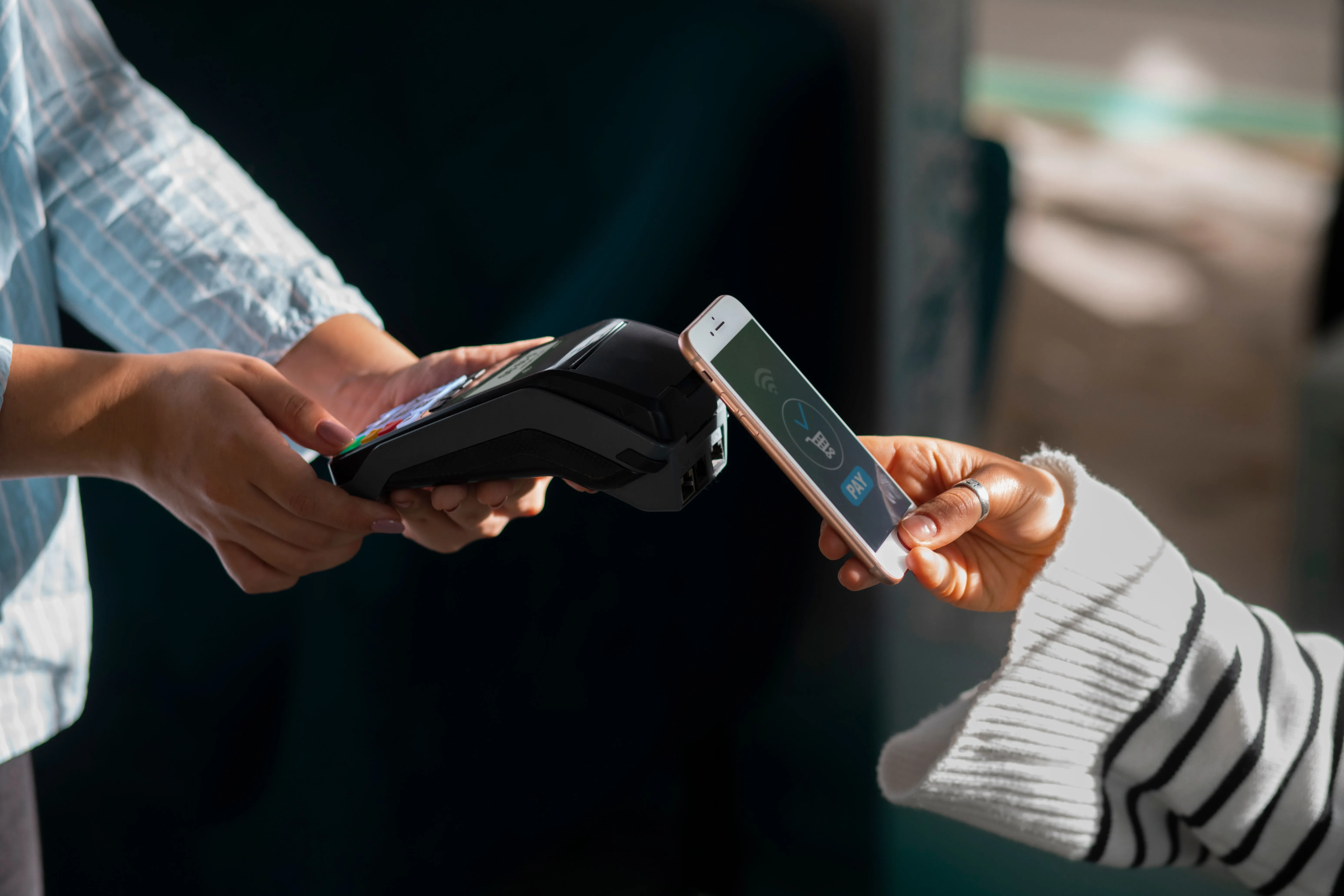
UK payments are being rebuilt, slowly and in public. The government, the Bank of England and the regulators have published a plan for the next decade, a new payments infrastructure is being designed, and the regulator that oversees card fees is being folded into the FCA. Most of it happens a long way from a shop counter. But some of it changes how quickly you get paid, what you pay to take cards, and how your customers will be able to pay you. This is what a small business needs to know, as of late 2026.
The short version
- The plan: the Payments Forward Plan (February 2026, updated September 2026) sets out what HM Treasury, the Bank of England, the FCA and the Payment Systems Regulator intend to do, including more transparency on card scheme fees and making pay-by-bank widely available at the till and online.
- The infrastructure: the Bank of England has consulted on the design of the next generation of UK retail payments infrastructure. Faster Payments keeps running while that happens.
- The regulator: the Payment Systems Regulator is due to be merged into the FCA under the Financial Services and Markets Bill 2026, which was still going through Parliament in autumn 2026.
- For your business today: the thing you can change right now is how quickly your card takings settle. Next-day settlement is widely available; two or three days is still common with older providers.
How quickly you get paid for card payments
When a customer pays by card, the payment is approved in seconds, but the money moves later. With most modern UK providers, takings are settled the next working day (often written as T+1). Two or three days (T+2 or T+3) is still common with older and bank-owned acquirers, and same-day settlement is offered by some providers with conditions attached. Card clearing does not run at weekends, so Friday-to-Sunday takings usually land together on Monday or Tuesday.
That gap matters more the smaller the business is. A café that takes £3,000 over a weekend and pays suppliers on Monday is either waiting for its own money or using an overdraft. If your provider settles in two or three days, ask what next-day settlement would cost; many providers include it as standard.
Settlement terms are also one of the things to compare when you switch. A cheaper rate with slower settlement can cost more in cash flow than it saves in fees. Our guide to card machine fees covers the rest of the statement.
Faster Payments and pay-by-bank
Faster Payments is the system behind instant bank transfers in the UK. In 2025 it carried 5.55 billion payments worth £4.84 trillion, up 9% and 14% on the year before. The scheme limit is £1 million per payment, although banks set their own, usually much lower, limits.
The plans published in 2026 aim to make pay-by-bank (paying straight from a bank account, typically by approving the payment in a banking app) widely available at the till and online, through open banking. The FCA was due to consult on the rules in the third quarter of 2026, and the Bank of England's consultation on new infrastructure, which closed in September 2026, covered paying by bank in shops and paying to aliases such as a phone number.
For a small business, pay-by-bank could eventually mean an alternative to cards with instant settlement and different fees. It is not yet a mainstream way to pay at a counter, so for now it is something to watch rather than act on.
Card fees: more transparency on the way
The Payments Forward Plan includes work by the PSR on card scheme and processing fees, the charges Visa and Mastercard levy on top of interchange, which have risen several times in recent years. A decision on making those fees more transparent was due in the second quarter of 2026, and next steps on cross-border interchange (the higher fees on cards issued outside the UK) were due in the fourth quarter.
Transparency is not the same as lower fees, and the PSR's merger into the FCA, which commentators do not expect businesses to feel before 2028, adds uncertainty. What you can act on today is the margin your own provider charges on top of those costs. That is the one part of the rate that is negotiable, and the part that varies most between providers.
Protection when a payment goes wrong
Since 7 October 2024, banks and payment firms have had to reimburse victims of authorised push payment (APP) scams, where someone is tricked into sending money by bank transfer, up to £85,000 per claim. It covers individuals, micro-enterprises and small charities. By March 2026 the PSR reported that 88% of money lost had been reimbursed, and 82% of claims were closed within five working days.
If you pay suppliers by bank transfer, this matters to you as a customer as well as a seller. Check payee details by phone before paying a new or changed bank account, which remains the most effective protection.
Contactless limits
The UK contactless limit has been £100 per payment since October 2021. In March 2026 the FCA changed its rules to let card issuers with strong fraud controls set their own limits, but the major banks said they would keep £100 for now. For your business, nothing changes yet: card payments over £100 still need a PIN. Our guide to taking payments on your phone covers what that means for Tap to Pay.
What to do now
- Check your settlement time. If it is more than one working day, ask why, and what next-day would cost.
- Check your effective rate. Our free card fee check reads one statement and shows your total fees in pounds and as a percentage of turnover.
- Keep an eye on pay-by-bank. If your provider offers it, it may suit large or repeat payments, such as invoices and deposits, before it suits a busy counter.
Questions people ask
How long do card payments take to reach my bank account in the UK?
With most modern providers, the next working day. Some older and bank-owned providers take two or three working days, and weekend takings usually arrive together after the weekend. Check the settlement terms in your contract.
What is the Payments Forward Plan?
A plan published by HM Treasury with the Bank of England, the FCA and the Payment Systems Regulator in February 2026, and updated in September 2026. It sets out their work on UK payments, including card fee transparency, open banking and pay-by-bank.
Is the Payment Systems Regulator closing?
It is due to be merged into the FCA under the Financial Services and Markets Bill 2026, which was still before Parliament in autumn 2026. There is no confirmed date, and commentators do not expect firms to notice the change before 2028.
What is pay-by-bank?
A way to pay straight from a bank account, usually by approving the payment in a banking app, without using a card. It settles instantly. The government and regulators want it widely available in shops and online, but it is not yet a common way to pay at a counter.