


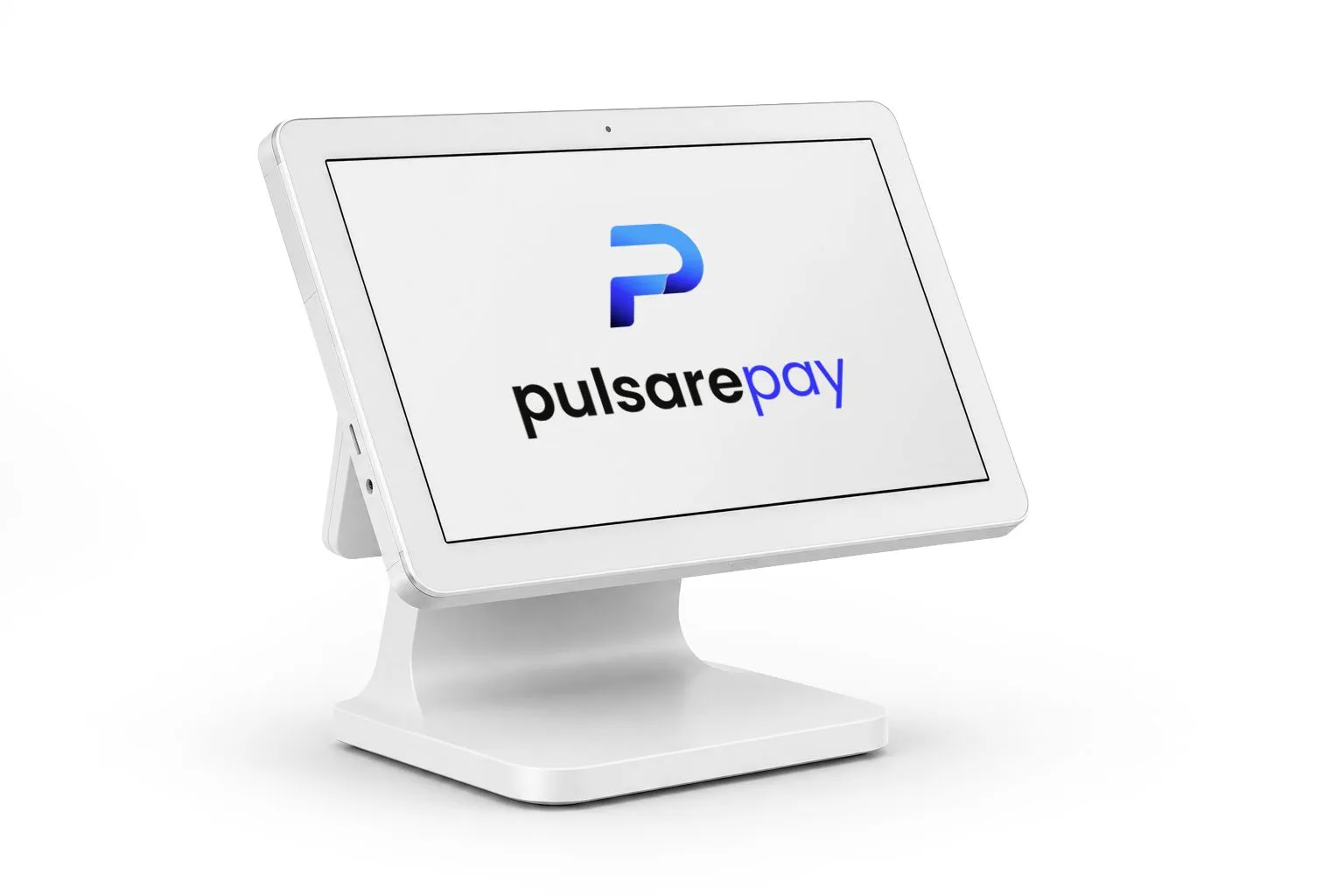
EPOS Systems
More than just a till
An EPOS system should do more than take payments — it should help you run your business. Ours brings sales, stock, and reporting together in one place, so you can see what's working well, manage your team, and keep everything moving without jumping between different tools.
It's built to fit your business, whether you're running one till or several across a busy shop floor. Simple for daily use, reliable when it matters most, and connected to everything else you need to keep the shift running smoothly so you can focus on your customers, not the tech.
All-in-One Management
Handle sales, inventory, staff, and customer data from one powerful platform.
Customisable & Scalable
Tailor your setup with features and hardware that grow with your business.
Real-Time Insights
Access live reporting and analytics to track performance and make informed decisions.


What an EPOS system does
An EPOS (electronic point of sale) system is a till that does more than take money. It records every sale against the item sold, so stock levels, best sellers, staff performance and daily takings are all in one place without counting the drawer at the end of the day.
A typical system is a touchscreen till with software, a receipt printer, a cash drawer and an integrated card machine, so the amount goes straight from the till to the terminal with no retyping and no mismatched totals.
Who needs one
- Shops with more than a handful of products, where tracking stock by hand stops working.
- Cafés, restaurants and bars, where table plans, tabs, split bills, tips and kitchen orders need to flow together.
- Salons and services, where bookings, deposits and repeat clients matter.
- Businesses with staff, who need separate logins, permissions and a record of who sold what.
If you take a few payments a day and sell a small range, a standalone card machine is usually enough.
What it costs
EPOS hardware typically costs £500 to £1,500, plus software from £20 to £80 a month, on top of the card processing itself. The card fees are still usually the larger cost over a year, so it is worth getting the processing priced properly at the same time. Our guide to how much a card machine costs covers the options.
Questions people ask
What is the difference between a POS and an EPOS system?
In everyday use they mean the same thing: an electronic till system that records sales. EPOS is the term more commonly used in the UK.
Does an EPOS system help with tax returns?
It keeps a digital record of every sale, which makes VAT returns and Making Tax Digital for Income Tax far easier than working from a cash book.
Do I need an EPOS system to take card payments?
No. A standalone card machine takes card payments on its own. An EPOS system is worth it when you also need stock, staff, tables or bookings managed in one place.
Built for
Who uses EPOS from Pulsare Pay
- Retail & Convenience StoresFast contactless at the counter, stock and sales in one till.
- Restaurants, Cafés & TakeawaysPay at the table, split bills and tips, with the till and card machine talking to each other.
- Tradespeople & Mobile Businesses4G terminals and pay-by-link invoices for work done at the customer's door.
- Market Stalls & EventsBattery-powered handhelds that work outdoors with patchy signal.
- Salons & Beauty ProfessionalsDeposits for bookings, payment at the chair, no cables.
- Mechanics & Car ShowroomsTake payment at the desk or out by the car; invoices with a payment link.
- Free card fee checkUpload one statement and see your total card fees in pounds in about a minute. No form first.
- Card machine fees explainedEvery charge on a UK statement, what a fair figure looks like, and a worked example.