


How much does a card machine cost in the UK? (2026)
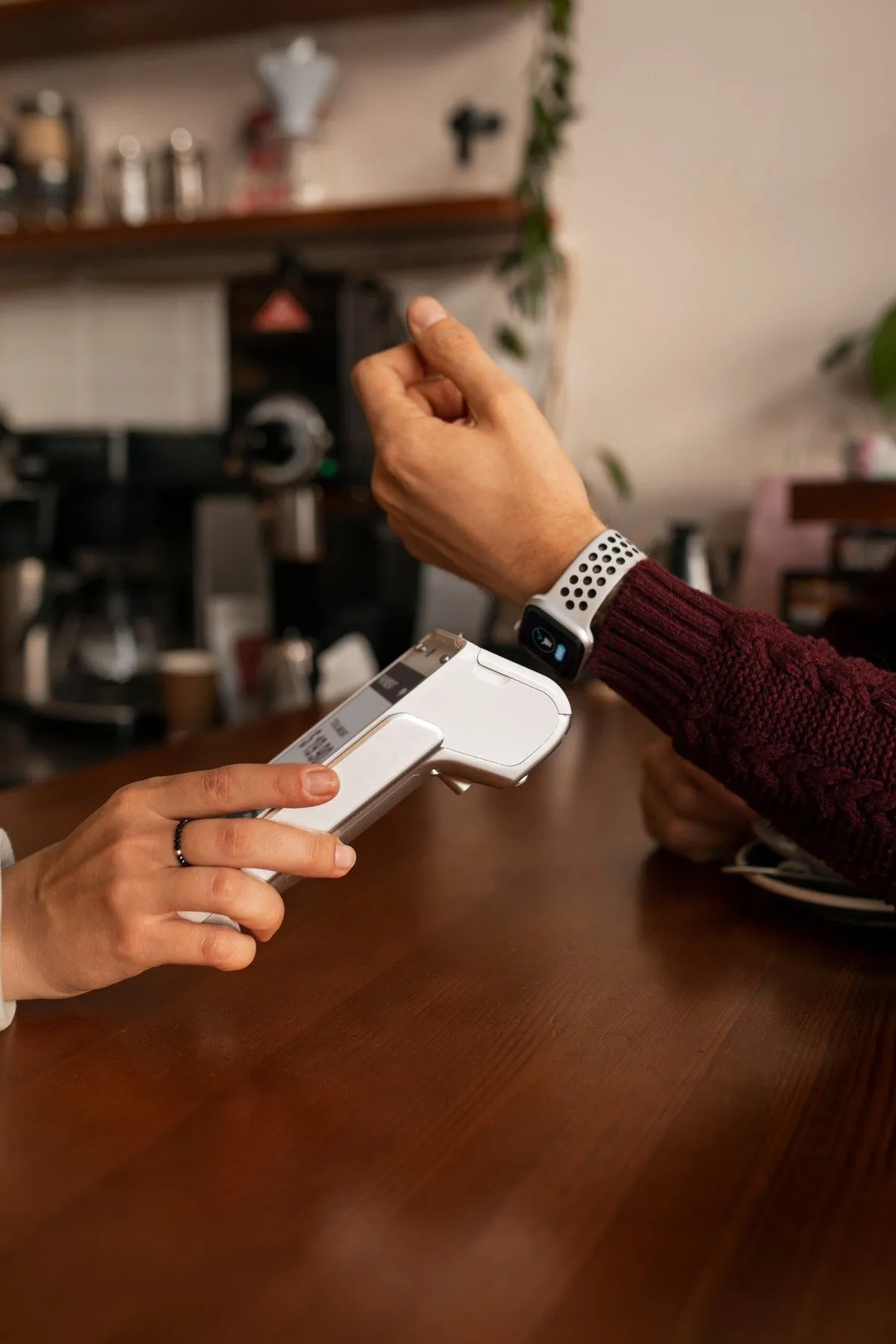
The honest answer is: between nothing upfront and a few hundred pounds, and then between 1.2% and 2.5% of everything you take, depending on how you pay for it. That spread is the whole story. A card machine is rarely expensive to get; it is the way it is paid for over the following three years that decides whether it was a good deal. This guide sets out the real 2026 prices for each way of paying, what a typical small business ends up spending in a year, and how to choose between them.
The three ways to pay for a card machine
- Buy the reader, pay per transaction. Pay-as-you-go. You buy a small reader outright for roughly £20 to £150 and pay a flat percentage on every sale, with no monthly fee and no contract. SumUp, Zettle and Square work this way and publish rates between 1.69% and 1.75% for in-person payments at the time of writing.
- Rent the terminal on a contract. The traditional model. The machine costs £15 to £30 a month, the processing rate is lower (often 0.9% to 1.4% on UK debit cards for a small business), and you sign for 12 to 48 months. There will usually be a handful of smaller monthly fees on top; our guide to card machine fees lists them all.
- Buy the terminal outright on a contract. The option most people are never offered. You pay for the terminal once, typically £150 to £400 for a proper countertop or handheld unit, often at a discount against the rental total, and your monthly bill is just the processing. Over a three-year term this is nearly always the cheapest route for a business trading every day.
What the machine itself costs in 2026
- Pocket card readers (phone-connected, no printer): £20 to £60. Fine for a market stall or a tradesperson; slow for a queue.
- Standalone handheld terminals (4G and Wi-Fi, built-in printer or receipt by text): £150 to £350 to buy, or £15 to £25 a month to rent.
- Countertop terminals (wired, fast, for a till): £200 to £400 to buy, or £18 to £30 a month to rent.
- EPOS systems (touchscreen till with card machine integrated): £500 to £1,500 for hardware, plus software from £20 to £80 a month. Priced differently again; we cover these on the EPOS page.
Rental over a 36-month contract adds up to £540 to £1,080 per terminal. Put next to a purchase price of £150 to £400, it is clear why outright purchase is worth asking about, and why some providers do not volunteer it.
What it costs per year: three examples
These use market-typical figures, not any one provider's. Yours will differ; the shape of the comparison will not.
A market stall or mobile trader: £2,000 a month in cards
- Pay as you go at 1.75%: £35 a month, reader bought once for £40. Year one: about £460.
- Rental contract at 1.2% plus £20 rental and a £15 minimum monthly charge: £24 + £20 = £44 a month, more in quiet months because of the minimum. Year one: about £530 plus any exit cost.
Pay as you go wins. At this volume the lower rate does not cover the fixed monthly fees, and a contract is a liability if trade is seasonal.
A café: £12,000 a month in cards
- Pay as you go at 1.75%: £210 a month. Year one: about £2,560.
- Rental contract at 1.2% plus £22 rental, 3p authorisation fees on 1,800 transactions and a £5 PCI fee: £144 + £22 + £54 + £5 = £225 a month. Year one: about £2,700.
- Outright purchase on a contract at 1.1%, 1p authorisation fees and a £5 PCI fee, terminal bought for £250: £132 + £18 + £5 = £155 a month. Year one: about £2,110 including the terminal.
This is the turnover where the choice starts to matter. Pay as you go is simpler and not much dearer than a badly structured contract, but a well-structured one with the terminal bought outright saves around £450 in year one and £700 a year after that.
A shop with two tills: £40,000 a month in cards
- Pay as you go at 1.75%: £700 a month. Year one: about £8,400.
- Outright purchase on an interchange-plus contract averaging 0.75% all-in, 1p authorisation fees on 5,000 transactions, two terminals bought for £500: £300 + £50 = £350 a month. Year one: about £4,700 including the terminals.
At this volume pay as you go costs almost double. Anyone taking more than roughly £15,000 a month should be on a negotiated rate, and should be asking for interchange-plus pricing rather than a blended rate.
To run the same sums on your own business, put your takings and charges into our free card fee calculator. It shows your effective rate and what you pay a month and a year.
For a side-by-side look at what SumUp, Square, Zettle, Dojo, myPOS and Revolut publish, see our card machine comparison for small businesses.
"Free card machine" offers
Searches for a free card machine for small business are common, and the offers are real in the sense that no money changes hands on day one. The terminal is paid for through a higher rate, a longer term, or both. On £10,000 a month, a rate that is 0.2% higher than it needs to be costs £240 a year, so a "free" £250 terminal has paid for itself in a year and then keeps paying. Treat "free" as a financing arrangement and ask what the rate would be if you bought the terminal.
What decides your price
Four things, in order of how much they move the number:
- Card turnover. More volume, lower rate. Providers will not tell you the thresholds, but something changes at roughly £5,000, £15,000 and £50,000 a month.
- Card mix. A pub taking UK debit cards is cheap to process. A gift shop near a station taking foreign credit cards and American Express is not, and a blended rate will be priced for the expensive end.
- Contract length. A longer term buys a lower rate. That is a fair trade if the business is stable and the exit terms are clear; it is a trap if neither is true.
- Rent or buy. Buying outright removes a monthly line for the whole term, and the discount against rental is usually substantial.
How Pulsare Pay prices it
We are not tied to one acquirer. Each quote is priced across several, so the rate reflects your real card mix and turnover rather than a single provider's rate card, and the contract term and whether you rent or buy the terminal are choices you make with the numbers in front of you. That is why we do not publish a price list: a single rate would have to be priced for the worst case, which is the problem on most statements in the first place.
The starting point is always the same. Upload one statement to the free check and in about a minute you see what you pay today, in pounds. If it looks high, ask for a quote from there and a UK-based account manager prices it properly from three months of statements.
Questions people ask
How much does a card machine cost per month in the UK?
Rental is £15 to £30 a month per terminal. Processing fees on top are typically 1.2% to 2.5% of card turnover once every charge is included, so a business taking £10,000 a month should expect a total bill between £120 and £250.
Is it cheaper to buy or rent a card machine?
Buy, in almost every case where the business trades daily. Rental over three years costs two to four times the purchase price, and many providers will discount the terminal if you buy it with a contract.
What is the cheapest card machine for a small business?
For under about £3,000 a month in cards, a pay-as-you-go reader from a flat-rate provider is cheapest. Above that, a negotiated contract with the terminal bought outright wins, and the gap widens with turnover.
Can I get a card machine with no monthly fee?
Yes: every pay-as-you-go reader works that way. The trade-off is a higher per-transaction rate, which stops making sense once turnover passes a few thousand pounds a month.
How much does a card machine cost for a sole trader?
Usually £20 to £60 for a reader and 1.69% to 1.75% per sale, with nothing else to pay. If you invoice rather than take payment in person, pay-by-link from the same providers costs a little more per transaction but needs no hardware at all.