


SMEs Leading the Shift to Digital Payments
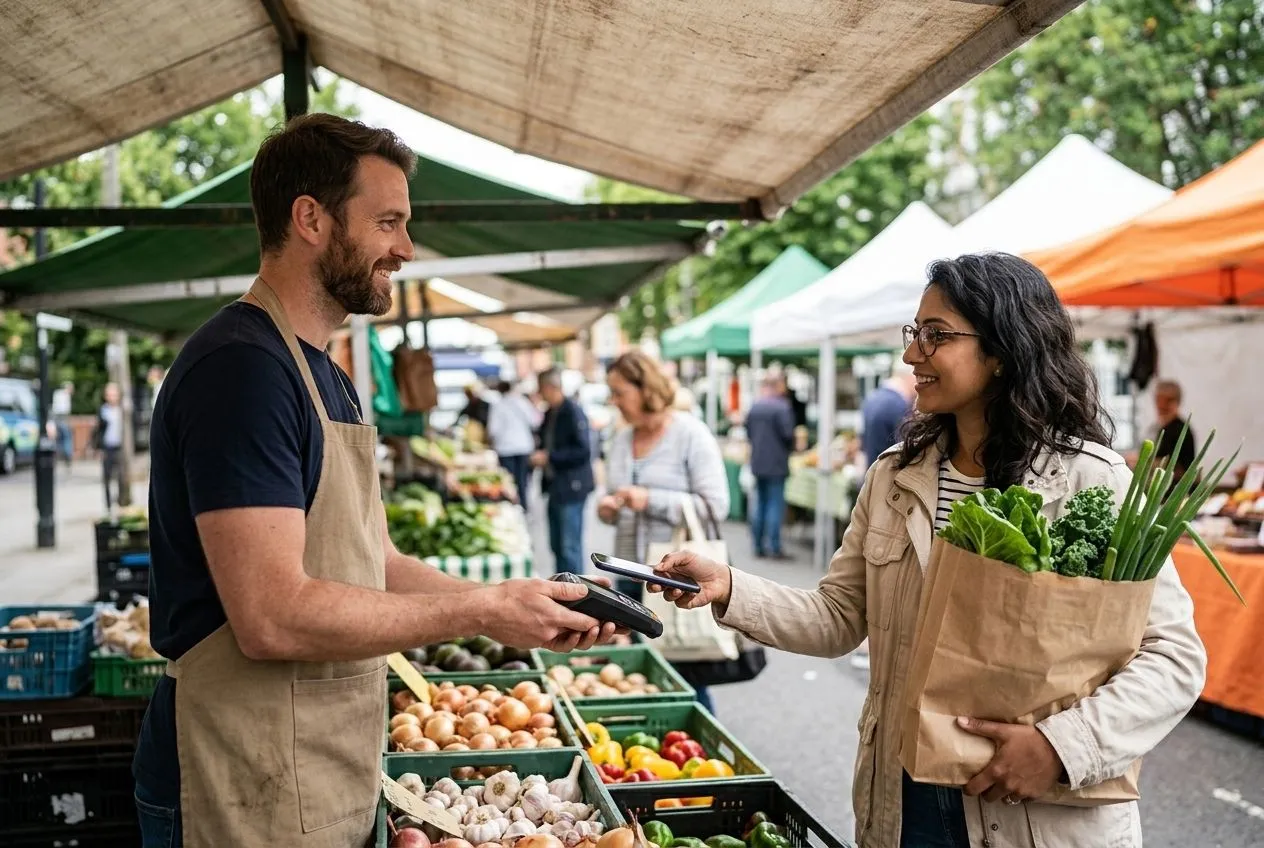
Small businesses were once the last to go cashless. That's changing fast — here's what's behind the shift.
Small and medium-sized businesses have historically been slower to move away from cash than larger retailers — not through choice, but because card machines and EPOS systems were often priced and sold with big chains in mind. That’s changed. UK Finance and other industry bodies have tracked a steady rise in digital payment adoption specifically among SMEs over the past few years, and the reasons behind it are worth unpacking.
The biggest driver is simple: customer habits changed faster than many small businesses expected. A market stall or independent café that only took cash a few years ago now regularly turns away trade from customers who genuinely don’t carry cards or cash as a backup — contactless and mobile payments have become the default, not the alternative, for a large share of shoppers.
Cost has also come down. Modern card machines and EPOS systems no longer require the kind of upfront investment or long fixed contracts that used to put smaller businesses off. Pay-as-you-go pricing and simpler hardware have made it realistic for a sole trader or a small shop to get set up properly, rather than making do with a basic reader that only just covers the essentials.
There’s a knock-on business benefit too, beyond simply not turning trade away. Digital payments come with built-in records — every sale is logged automatically, which cuts down on manual reconciliation and makes things like VAT returns and stock tracking noticeably less painful than working back from a cash drawer at the end of the day.
Our flexible card machines and EPOS systems are built with exactly this shift in mind — sized and priced for a single till or a market stall just as much as a multi-site business, so growing into the right setup doesn’t mean overpaying for tools a small business doesn’t need yet.