


Digital Payments on the Rise in Europe
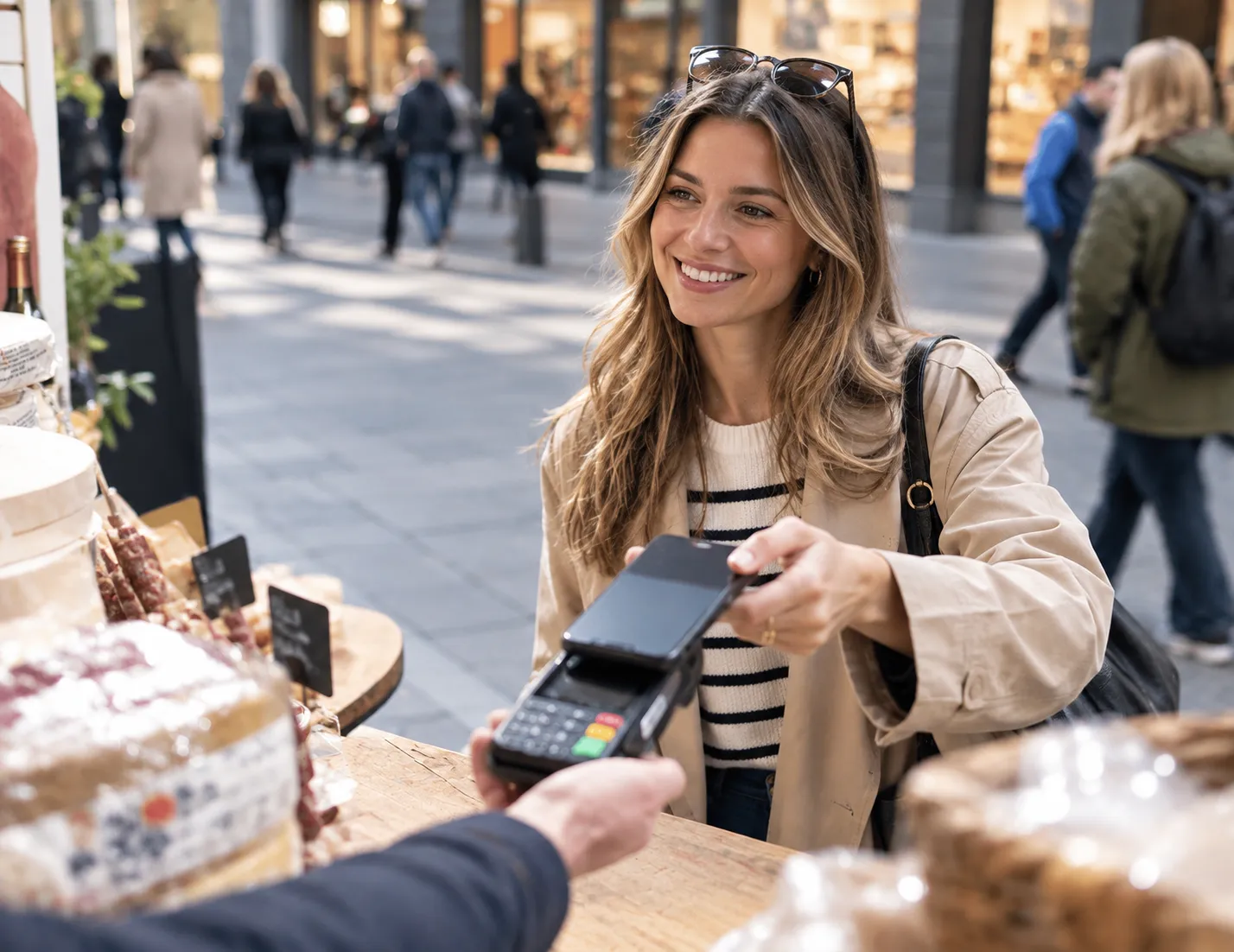
Cash is quietly losing ground across Europe. Here's what's driving the shift to digital payments, and what it means for how businesses need to be set up to sell.
Cash is still around, but it’s no longer the default across most of Europe. Digital payment volumes — card, mobile wallet, and online — have been climbing steadily for years, and the shift has only accelerated as more everyday spending moves online and contactless becomes the expected way to pay in person.
A few forces are driving it together. E-commerce continues to grow, which by definition means digital payment. Contactless limits have risen in most European markets, making tap-to-pay practical for larger everyday purchases rather than just small ones. And a generation of shoppers who grew up with mobile banking simply reach for a phone or card by habit, not as a considered choice.
For businesses, the implication isn’t just "accept cards" — that ship sailed a long time ago. It’s that customers increasingly move between channels without thinking about it: browsing on a phone, buying online, then popping into a physical shop to collect or exchange. A payment setup that only handles one of those well starts to feel like a gap in the customer experience rather than a minor inconvenience.
That’s pushed more businesses toward what’s often called an omnichannel approach — accepting payments consistently whether a customer is at the counter, on a website, or paying via a link sent by text or email. It sounds like a big technical lift, but for most small and medium businesses it really just means picking providers and hardware that were built to work together from the start, rather than stitching together separate systems for in-person and online sales.
Pulsare Pay supports this shift directly by offering both in-person card machines and online payment options through the same relationship — so a business selling on the shop floor and online isn’t managing two separate providers, two separate reconciliation processes and two separate support lines just to take payment however a customer prefers.